Disaster Recovery & Business Continuity IT Services in Winter Park, FL
Winter Park businesses rely on technology to operate, serve customers, process payments, and protect sensitive data. When systems go down due to cyberattacks, hardware failure, storms, or human error, operations can halt instantly. Disaster Recovery and Business Continuity planning ensures Winter Park organizations can recover critical systems quickly, minimize downtime, and continue operating even when disruptive events occur.
Disaster Recovery & Business Continuity Built for Winter Park Small Businesses
Unlike large enterprises, most Winter Park small and mid-sized businesses do not have redundant infrastructure or internal recovery teams. According to the U.S. Small Business Administration, a significant percentage of small businesses never reopen after a major disaster due to extended downtime and data loss.
Central Florida’s exposure to hurricanes, severe storms, power outages, and regional infrastructure disruptions makes proactive disaster recovery planning especially critical for Winter Park organizations. The U.S. Department of Homeland Security emphasizes that business continuity planning is not optional—it is essential for long-term operational survival.
Kelley Information Technology designs disaster recovery and business continuity solutions specifically for Winter Park businesses, balancing resilience, speed of recovery, and cost efficiency without overengineering.

Disaster Recovery & Business Continuity IT Services Your Business Relies On
Talk to a Disaster Recovery & Business Continuity IT Services Specialist
Get expert guidance tailored to your Winter Park business.
When systems go down, revenue stops, teams stall, and customer trust erodes quickly.
Kelley IT Support helps Winter Park businesses reduce operational risk through structured disaster recovery and business continuity planning designed to keep systems available, data protected, and teams working — even during unexpected events.
What Disaster Recovery & Business Continuity IT Is
Disaster Recovery (DR) and Business Continuity (BC) are structured strategies that ensure technology systems, data, and operations can be restored quickly after a disruptive event. The National Institute of Standards and Technology (NIST) defines disaster recovery as the ability to restore IT systems and data after an incident, while business continuity focuses on keeping essential operations running during and after that disruption.
For Winter Park businesses, this means:
- Ensuring critical systems remain accessible during outages
- Restoring data rapidly after ransomware or system failure
- Maintaining customer service and internal operations during emergencies
For businesses in Winter Park and across Central Florida, downtime isn’t a theoretical risk — it’s a recurring reality. Severe weather, power outages, cyber incidents, and system failures routinely disrupt operations across Seminole County and the greater Orlando area. Without a documented and tested recovery plan, even short outages can result in lost revenue, reputational damage, and regulatory exposure.
Protect Your Business From DowntimeWhy Disaster Recovery Matters for Winter Park Businesses
According to the Federal Emergency Management Agency (FEMA), a significant percentage of small and mid-sized businesses never fully recover after a major disruption — not because of the event itself, but because they lacked a documented disaster recovery and business continuity plan.
Unplanned downtime is one of the most expensive and disruptive events a business can experience. According to IBM’s Cost of a Data Breach Report, business interruptions consistently represent one of the highest financial impacts following cyber incidents.
In Central Florida, businesses face a unique combination of risks — including severe weather events, regional power disruptions, and rising ransomware activity targeting small and mid-sized organizations. The Cybersecurity & Infrastructure Security Agency (CISA) has repeatedly emphasized the role of tested recovery plans in reducing the operational impact of cyber incidents.
Without a clear disaster recovery and business continuity strategy, organizations are often forced into reactive decisions that extend downtime, increase losses, and expose leadership to avoidable risk. For businesses in Winter Park, disaster recovery and business continuity planning is not just an IT safeguard — it’s a business resilience strategy that protects revenue, operations, and client confidence when unexpected events occur.
Build a Resilient Recovery Strategy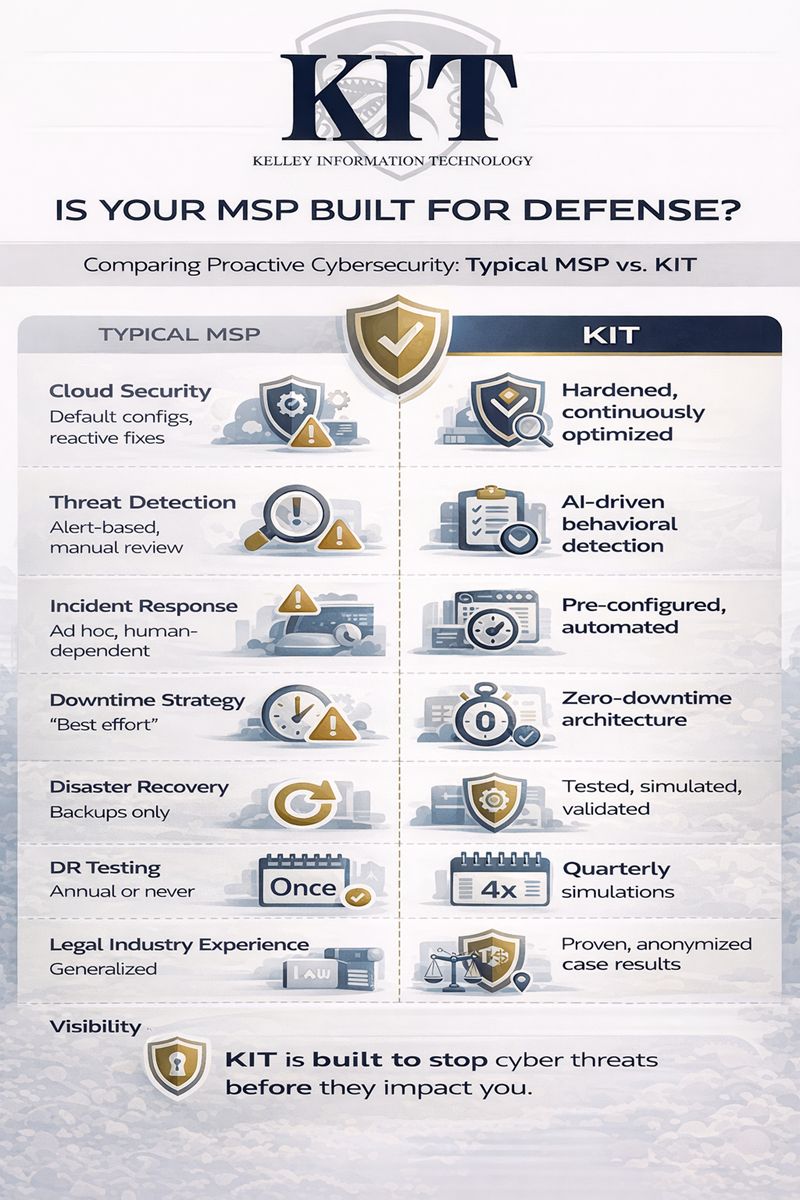
Disaster Recovery & Business Continuity IT Services Matters for Winter Park SMB's
Disaster recovery and business continuity IT is the structured planning and management of how your business continues operating when critical systems, data, or facilities are disrupted. This includes defining how data is restored, how employees securely access systems remotely, how long recovery should take, and what happens when primary infrastructure is unavailable. Unlike basic backups, disaster recovery and business continuity focuses on recovery time objectives (RTO) and recovery point objectives (RPO) — not just data storage. The National Institute of Standards and Technology (NIST) outlines disaster recovery and continuity planning as a core component of operational resilience and risk management for organizations of all sizes.
Many Winter Park businesses don’t realize they have a disaster recovery or business continuity problem until systems are already down. In most cases, the issue isn’t a single failure — it’s a collection of gaps that compound during an incident. Without a structured disaster recovery and business continuity strategy, these gaps can turn manageable incidents into prolonged business interruptions. Kelley Information Technology regularly helps businesses address issues such as:
Prepare Your Team for DisruptionsNo Documented Recovery Plan
Critical recovery steps exist only in someone’s head, leaving leadership and staff unprepared when systems fail or key employees are unavailable.
Backups That Exist but Can’t be Restored Quickly
Data may be backed up, but recovery timelines are undefined or untested, leading to extended downtime when systems need to be restored.
Reduce Risk With a Solid DR PlanSingle Points of Failure in Infrastructure or Access
On-premise servers, local-only access, or aging hardware that can take days — or longer — to recover after an outage or environmental event.
Unclear Recovery Priorities
Businesses often don’t know which systems, applications, or data must come online first, delaying operations and increasing financial impact.
Improve Your Business ContinuityNo Plan for Remote or Alternate Operations
When offices are inaccessible due to weather, power outages, or other disruptions, employees are unable to work securely or productively.
Secure Your Data and Recovery PathRecovery Plans That Haven’t Been Tested
According to guidance from the Cybersecurity & Infrastructure Security Agency (CISA), untested recovery plans frequently fail during real incidents, extending downtime and increasing losses.
Planning ensures that recovery is predictable, documented, and tested — not improvised during a crisis.
For organizations in Winter Park, disaster recovery and business continuity planning is not just an IT safeguard — it’s a business resilience strategy that protects revenue, operations, and client confidence when unexpected events occur.
Disaster Recovery & Business Continuity IT Services Protects Your Winter Park Business from Disruptions
Modern businesses face a range of threats — from natural disasters and cyberattacks to hardware failures and human error. Without a tested plan for disaster recovery and business continuity, even a single interruption can lead to costly downtime, lost revenue, and reputational damage. KIT designs resilient IT strategies that keep your business running when others falter.
Whether you need to recover critical systems quickly after an outage or maintain operations during unpredictable events, our Disaster Recovery & Business Continuity services provide the planning, tools, and support your organization needs to stay operational and secure.
Eliminate Downtime Vulnerabilities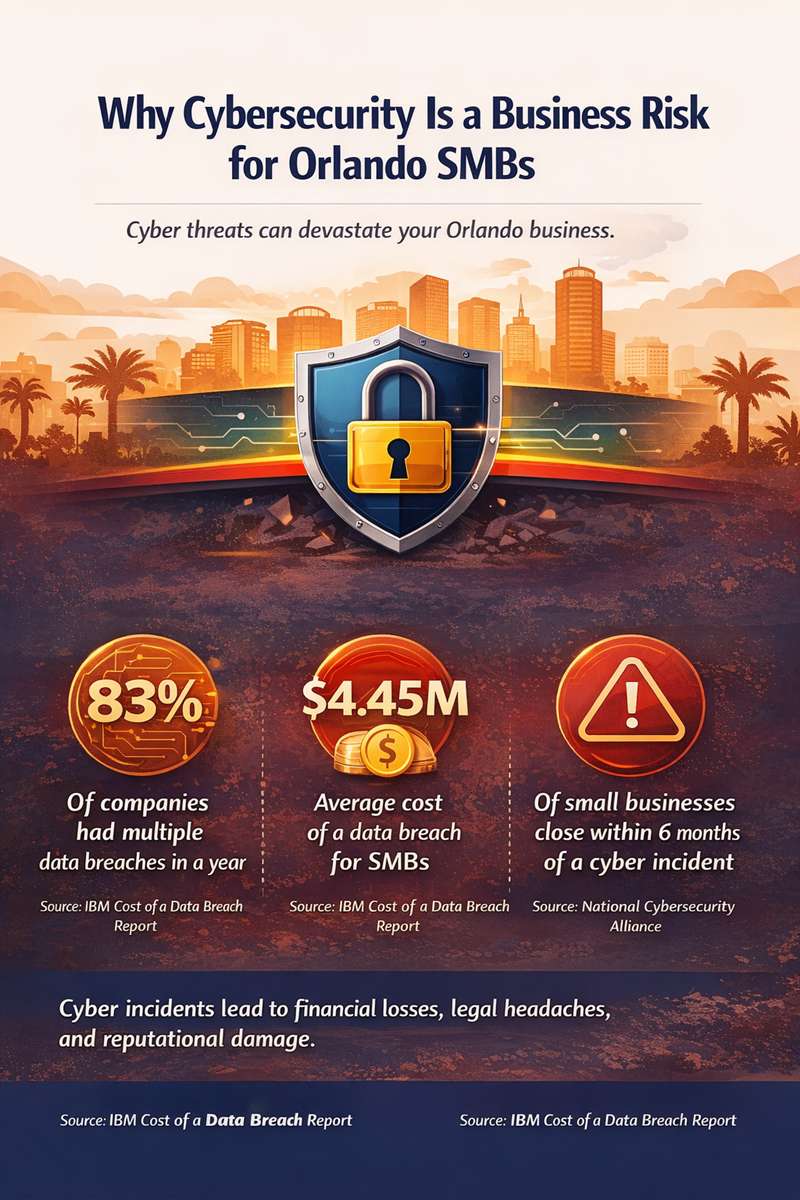
KIT Delivers Disaster Recovery & Business Continuity IT Services
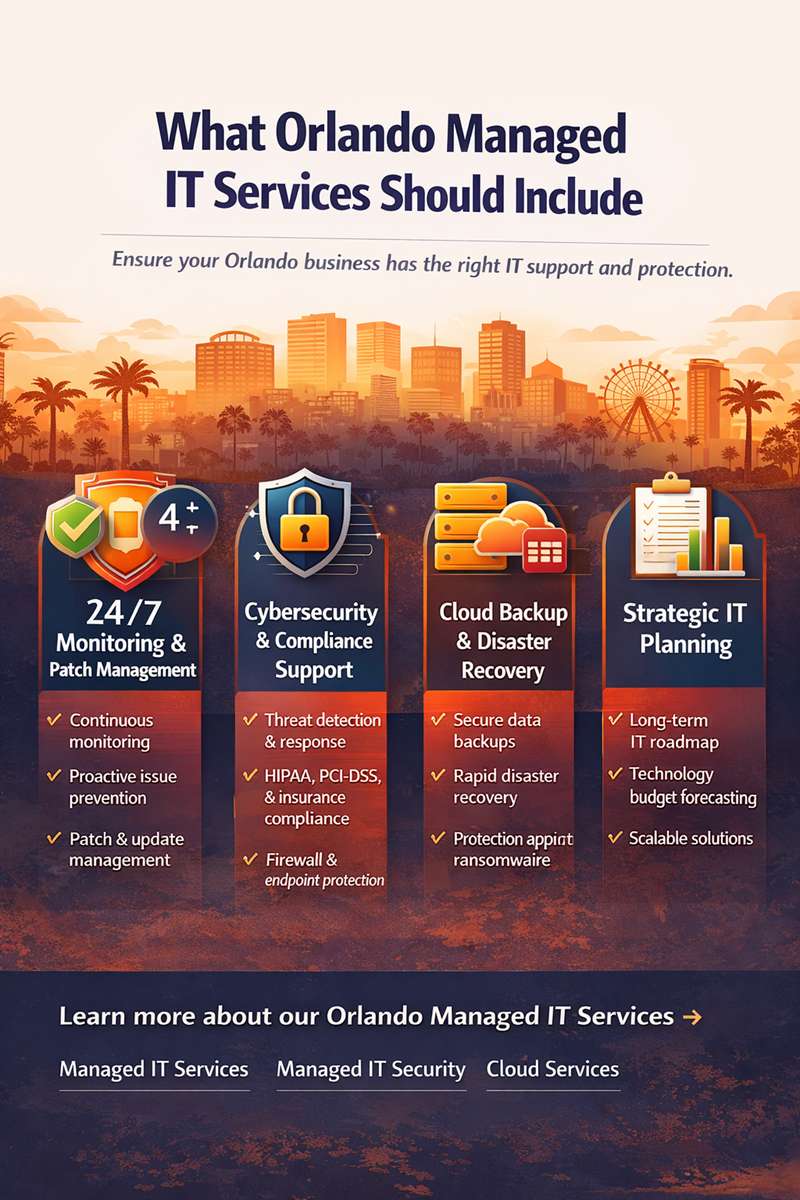
Without a documented and tested recovery strategy, businesses often discover gaps during an emergency — when it’s already too late. A proactive disaster recovery and continuity plan helps your organization:
- Reduce downtime and revenue loss
- Protect mission-critical data
- Maintain client trust and service delivery
- Meet insurance, contractual, and regulatory requirements
- Respond confidently instead of reactively
The Real Cybersecurity Risk Facing Small Businesses
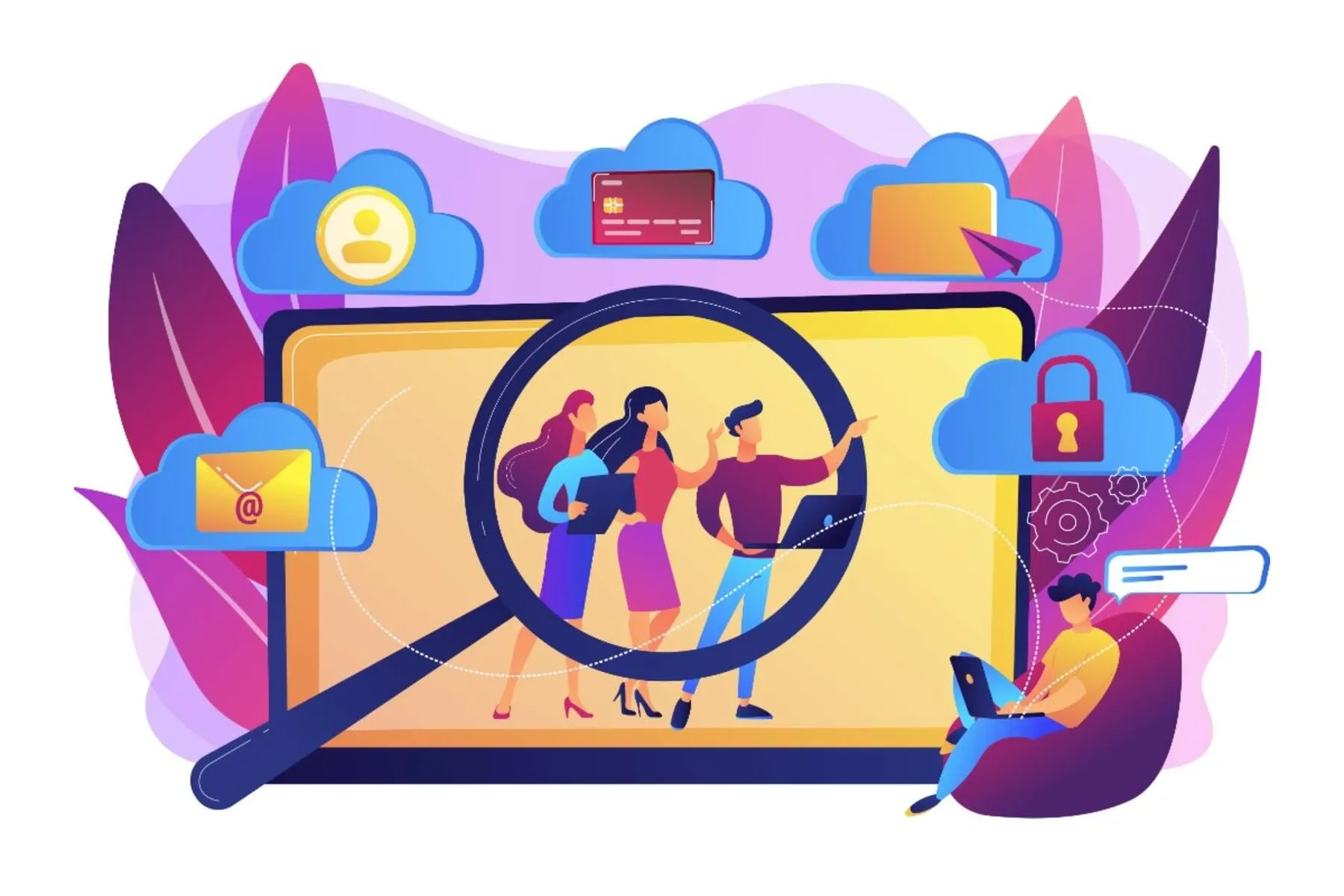
Cybersecurity threats disproportionately impact small businesses, not because they are less important, but because attackers know they are often less protected. Data from the FBI’s Internet Crime Complaint Center consistently shows that phishing, ransomware, and business email compromise remain among the most financially damaging cybercrime categories affecting U.S. businesses.

Core Disaster Recovery & Business Continuity IT Services We Provide
Effective disaster recovery and business continuity doesn’t happen by accident. It requires a documented, tested, and actively managed process aligned to how your business actually operates. KIT delivers disaster recovery and business continuity services through a structured, repeatable approach designed specifically for small and mid-sized businesses in Winter Park and across Central Florida.
Start Your KIT Disaster Recovery PlanRisk & Readiness Assessment
We start by identifying critical systems, operational dependencies, and potential points of failure. This includes reviewing existing backups, infrastructure, access controls, and recovery expectations to understand where downtime would have the greatest business impact.
Protect Your Operations With KITRecovery & Continuity Planning
Based on the assessment, we develop a documented recovery and continuity plan that defines recovery priorities, acceptable downtime, and clear steps for restoring operations. Plans are aligned to real business needs — not generic templates — so leadership knows exactly what happens during an incident.
Partner With KIT for Business ContinuityImplementation & Alignment
Recovery strategies are implemented and aligned with day-to-day operations to ensure they work when needed. This includes ensuring data protection, access continuity, and operational workflows support recovery objectives rather than complicate them.
KIT’s Proven Disaster Recovery FrameworkTesting & Validation
Plans are tested to confirm recovery steps work as intended and within defined timelines. Testing helps identify gaps before an actual disruption occurs, reducing uncertainty and avoiding costly surprises during real incidents.
Explore Disaster Recovery SolutionsOngoing Oversight & Improvement
As your business evolves, recovery and continuity plans are reviewed and updated to reflect changes in systems, staffing, and operations. This ensures preparedness remains current, documented, and reliable over time. This proactive approach helps Winter Park businesses move from reactive recovery to controlled, predictable response — even during unexpected events.
Business Continuity & DR PlanningPlan Now. Recover with Confidence.
Business Continuity addresses how the business continues to function during and after a disruption. This includes maintaining access to critical systems, supporting employees, and keeping essential operations running while recovery efforts are underway.
Get My Incident Readiness AssessmentDisaster Recovery & Business Continuity IT Services for Key Winter Park Industries
Disaster recovery and business continuity planning looks different depending on how your business operates, the data you rely on, and the expectations of your clients, regulators, and stakeholders. Kelley Information Technology works with businesses across Winter Park and Central Florida to design recovery and continuity strategies aligned to the realities of their industry. By aligning recovery strategies to industry-specific workflows and recognized standards, Winter Park businesses demonstrate operational maturity, reduce disruption risk, and maintain client confidence when unexpected events occur.
Cloud‑Based Disaster Recovery ToolsDisaster Recovery & Business Continuity for Legal Practices
Law firms depend on uninterrupted access to case files, communications, and deadlines. Recovery and continuity planning helps legal practices maintain access to critical data, support remote work during disruptions, and avoid downtime that can negatively impact client trust and case outcomes. The American Bar Association (ABA) emphasizes business continuity and disaster preparedness as part of responsible law firm risk management.
Our work supporting law firms with specialized IT and Disaster Recovery & Business Continuity requirements focuses on access controls, encryption, secure document handling, and audit trails that protect confidentiality without disrupting legal workflows.
Disaster Recovery for Modern WorkDisaster Recovery & Business Continuity for Creative Agencies
Creative agencies rely heavily on cloud platforms, digital assets, collaboration tools, and tight deadlines. Recovery and continuity planning helps ensure teams can continue working during outages, office closures, or cyber incidents without losing productivity, intellectual property, or client deliverables. The Cybersecurity & Infrastructure Security Agency (CISA) identifies operational resilience and continuity planning as critical for service-based organizations that depend on digital access.
We design business continuity security strategies tailored to creative agency workflows that protect cloud platforms and endpoints while preserving the speed and flexibility creative teams depend on.
Start My DR PlanDisaster Recovery & Business Continuity for Hospitality
Hotels, restaurants, and hospitality businesses rely on reservation systems, point-of-sale platforms, and guest-facing technology. Recovery and continuity planning helps minimize service disruptions, protect customer data, and maintain operations during system outages, power events, or regional disruptions. The Federal Emergency Management Agency (FEMA) identifies hospitality and tourism businesses as high-impact sectors requiring continuity planning due to weather and regional disruption risks.
Our experience delivering hospitality-focused IT and disaster recovery solutions prioritizes network segmentation, monitoring, and rapid containment to protect guest trust and business continuity.
Protect My DataDisaster Recovery & Business Continuity for Healthcare Providers
Healthcare organizations rely on constant access to systems and patient data to deliver care and meet regulatory obligations. Disaster recovery and business continuity planning helps ensure clinical systems, records, and communications remain available during outages, cyber incidents, or environmental disruptions — reducing operational risk and compliance exposure. The U.S. Department of Health & Human Services (HHS) identifies contingency planning and data availability as core requirements under the HIPAA Security Rule./p>
We implement disaster recovery & business continuity controls that support compliance, protect patient information, and ensure system availability for Winter Park healthcare providers without interfering with care delivery.
Strengthen ContinuityDisaster Recovery & Business Continuity for Financial Services
Financial and advisory firms operate under strict expectations for availability, data protection, and operational resilience. Disaster recovery and business continuity planning supports secure system access, predictable recovery timelines, and continuity of client services during disruptive events.
The Financial Industry Regulatory Authority (FINRA) outlines business continuity planning as a core supervisory and operational requirement for financial organizations.
Reduce DowntimeBusiness Outcomes With Disaster Recovery & Business Continuity IT Services in Action
Winter Park businesses operate in a region with unique operational risks that make disaster recovery and business continuity planning especially critical. Central Florida consistently faces severe weather events, regional power disruptions, and infrastructure outages that can impact businesses with little warning.
According to the Florida Division of Emergency Management, hurricanes, tropical storms, and severe weather events routinely affect business operations across Seminole County and the greater Orlando area, often causing extended power and connectivity outages.
In addition to environmental risks, the Cybersecurity & Infrastructure Security Agency (CISA) has identified small and mid-sized businesses as frequent targets for ransomware and operational disruption due to limited recovery planning.
Real-World KIT Implemented Disaster Recovery & Business Continuity IT Services
For businesses in Winter Park, these risks are not abstract. Office parks, medical practices, professional firms, and service businesses throughout Seminole County depend on consistent system access to operate, communicate with clients, and generate revenue. When systems go down, even temporarily, the impact is felt immediately. Kelley IT Support works directly with Winter Park and Central Florida businesses to design disaster recovery and business continuity strategies that account for local risk factors, regional infrastructure realities, and the operational needs of growing organizations. By aligning recovery planning with both regional threats and industry expectations, we help local businesses remain operational, resilient, and prepared — regardless of the disruption.
- LAW FIRMS
CREATIVE AGENCIES
HOSPITALITY
Why Winter Park Businesses Choose Kelley Information Technology for Disaster Recovery & Business Continuity IT Services
Unexpected disruptions are inevitable — prolonged downtime doesn’t have to be. For businesses in Winter Park and across Central Florida, disaster recovery and business continuity planning provides a structured, reliable way to protect operations, data, and client trust when systems fail or events occur without warning.
KIT works as a local technology partner to help businesses identify recovery risks, document clear plans, and maintain operational readiness over time. Our approach focuses on predictable recovery, tested processes, and alignment with real business needs — not generic templates or one-time fixes. If you’re ready to reduce downtime risk and strengthen your organization’s resilience, we’re here to help.
Strengthen Your Disaster Recovery Plan