Threat Detection & Incident Response Services in Sanford, Florida
Cyber incidents don’t usually start with a crisis — they start quietly. Suspicious logins, abnormal system behavior, or unauthorized access often go unnoticed until business operations are already at risk.
Threat Detection & Incident Response Services Built for Sanford Small Businesses
According to the Cybersecurity & Infrastructure Security Agency (CISA), timely detection and structured incident response are key factors in reducing the operational and financial impact of cyber incidents.
Sanford has a concentration of professional services like creative agencies, healthcare providers, and hospitality businesses which create a high-value environment for attackers seeking sensitive data and credential access. The National Institute of Standards and Technology (NIST) emphasizes that organization size does not reduce risk—attackers exploit opportunity, not scale.
For businesses in Sanford and Central Florida, early threat detection and disciplined incident response are critical to preventing security events from escalating into downtime, data exposure, or compliance issues. The longer an incident goes undetected or unmanaged, the greater the business impact. KIT helps Sanford businesses identify threats early, validate real incidents, and respond decisively — before security events disrupt operations or damage trust.

Threat Detection and Incident Response Services Your Business Relies On
Talk to a Security Threat Detection and Incident Response Specialist
Get expert guidance tailored to your Sanford business.
Detect Faster, Respond With Purpose, & Resolve Incidents Effectively.
Schedule a 30-minute threat response strategy call to identify potential security threats early and guiding businesses through a controlled, informed response when suspicious activity or confirmed incidents occur.
What Threat Detection & Incident Response Services Are
Threat detection and incident response services focus on identifying potential security threats early and guiding businesses through a controlled, informed response when suspicious activity or confirmed incidents occur.
This service is not about reacting to alerts. It’s about monitoring for meaningful indicators of compromise, validating what actually matters, and coordinating response actions that limit risk while leadership maintains visibility and control.
The National Institute of Standards and Technology (NIST) defines incident handling as a structured process that includes detection, analysis, containment, and response — not just technical remediation. For Sanford businesses, threat detection and incident response provides a clear, repeatable approach to managing security events without panic, guesswork, or operational paralysis.
Improve Your Incident ResponseWhy Threat Detection & Incident Response Matters for Sanford Small Businesses
When threats go undetected or incidents are handled informally, businesses face unnecessary exposure. Delayed response can increase downtime, expand the scope of an incident, and complicate regulatory or insurance obligations.
The Federal Bureau of Investigation (FBI) reports that many organizations experience greater losses not from the initial intrusion, but from delayed detection and ineffective response coordination.
For businesses in Sanford, the challenge isn’t just cybercrime — it’s decision-making under pressure. Without defined response procedures, leadership is forced to react without clear information, timelines, or accountability.
Threat detection and incident response services help businesses move from reactive firefighting to structured incident management — reducing uncertainty, limiting impact, and preserving operational stability when security events occur.
Stop Cyber Threats Fast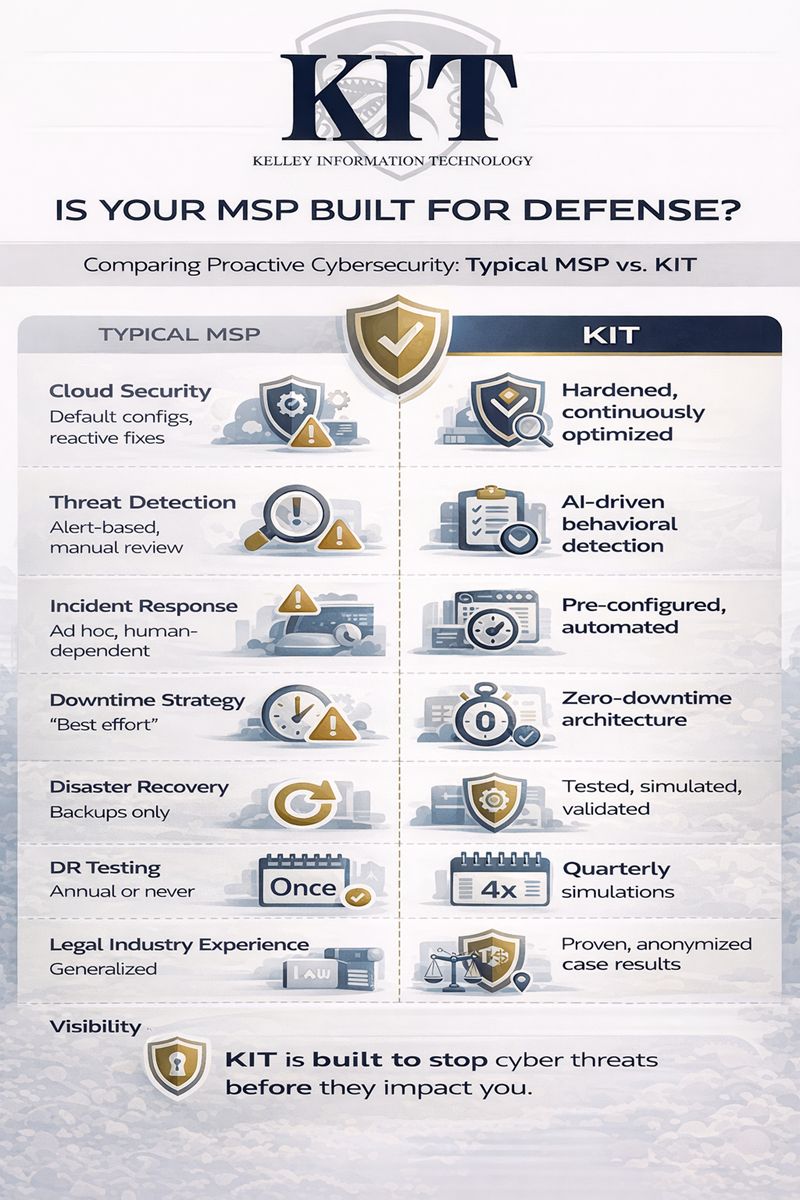
How Threat Detection & Incident Response Services Work for Sanford SMBs
Threat detection and incident response isn’t just about watching alerts — it’s a structured, business‑focused process that helps Sanford small and mid‑sized businesses identify threats early, assess their impact, and act quickly to contain and resolve security events before they disrupt operations or damage trust. At Kelley IT Support, our approach to threat detection and incident response combines continuous monitoring, human validation, and coordinated response processes built on national cybersecurity best practices and frameworks.
Detect Attacks in Real TimeContinuous Threat Monitoring & Detection
Using advanced monitoring techniques, we continuously collect and analyze activity from your network, endpoints, and user behaviors. This early detection model helps reveal suspicious activity and indicators of compromise that traditional defenses often miss, providing essential visibility into threats targeting your business. This aligns with guidance from the Cybersecurity & Infrastructure Security Agency (CISA), which emphasizes the importance of proactive incident detection and planning as a core defense strategy for organizations of all sizes.
Respond to Incidents QuicklyIncident Validation & Triage
Not all alerts represent real threats. Our team performs structured validation to separate true incidents from benign events. This step — often guided by standardized incident response approaches like those in NIST’s Security Incident Handling Guide (SP 800‑61) — ensures that your business responds appropriately without unnecessary disruption. During validation and triage, we determine:
- Whether an incident is real
- The systems affected
- The potential scope of impact
Coordinated Response & Containment
Once a threat is confirmed, Kelley IT Support activates a structured incident response plan designed around containment first. This means isolating affected systems to prevent spread, preserving critical data for investigation, and stabilizing your environment so core operations stay intact. This staged response method is endorsed by national incident response guidance and reflects an industry‑proven approach to managing cyber incidents responsibly.
Enhance Your Security MonitoringRemediation & Recovery Support
After containment, we work with your team to eradicate the threat, remove malicious artifacts, and begin recovery steps to restore normal operations. Our incident response specialists help you understand what happened, reduce the risk of recurrence, and strengthen defenses moving forward.
Protect Your Business From ThreatsLessons Learned & Ongoing Improvement
Post‑incident analysis is critical. We review incident triggers, response actions, and outcomes with your leadership so your business can refine policies, adjust controls, and improve readiness — helping you become more resilient over time.
See How KIT Detects ThreatsProtect Your Sanford Business from Cyber Threats
Our Threat Detection & Incident Response model ensures that Sanford SMBs don’t just detect threats — they respond with clarity, speed, and control, minimizing the operational impact of security incidents and preserving your business continuity.
Schedule Your Threat Detection & Incident Response Assessment Today
Traditional Network Security vs. Threat Detection & Incident Response Services for Sanford SMBs
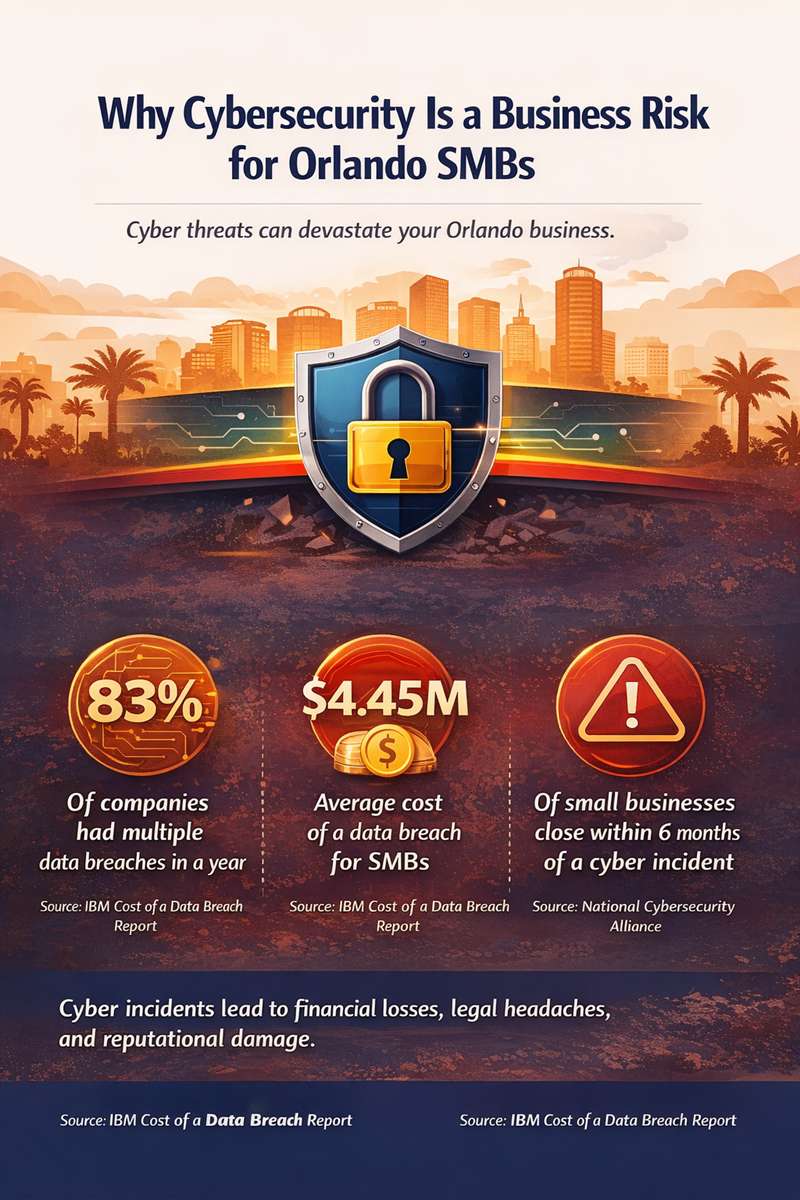
Small and mid‑sized businesses in Sanford have long relied on traditional network security tools such as firewalls, antivirus software, and basic intrusion detection systems to secure their networks. These tools play an important role in establishing a security perimeter, but the cybersecurity landscape has evolved — and so must your approach.
Traditional Network Security: Foundation, Not Full Protection
Traditional solutions like firewalls and signature‑based antivirus are designed to block known threats and filter traffic at defined boundaries, such as between your internal network and the internet. They are essential first steps in network defense — controlling traffic, stopping common malware, and limiting access based on fixed rules. However, these tools have limitations:
- Known‑Threat Reliance: Traditional antivirus and firewalls depend on predefined signatures or rulesets and can struggle to detect threats that aren’t in their databases.
- Limited Visibility: These systems often protect only specific network layers or endpoints, leaving gaps that sophisticated attacks can exploit.
- Reactive, Not Proactive: Many legacy tools alert after a threat has entered the environment, leaving SMBs to contain, investigate, and respond manually.
- For many Sanford organizations, especially those managing sensitive data or subject to compliance expectations, these limitations create risk — not certainty.
Why Sanford SMBs Can’t Rely on Prevention Alone
Today’s attackers often use sophisticated methods such as fileless malware, zero‑day exploits, and lateral movement once inside a network. Basic signature‑based defenses aren’t designed for these behaviors, and relying solely on them can give a false sense of security. Threat Detection & Incident Response Services provide an active security posture. Rather than only preventing known threats, KIT’s approach helps Sanford businesses:
- Detect anomalous activity in real time
- Quickly validate whether an alert represents a true incident
- Actively contain and respond to threats before they spread
- Support forensic investigation and remediation planning
The Real Risk Sanford Small Businesses are Facing: Cybersecurity
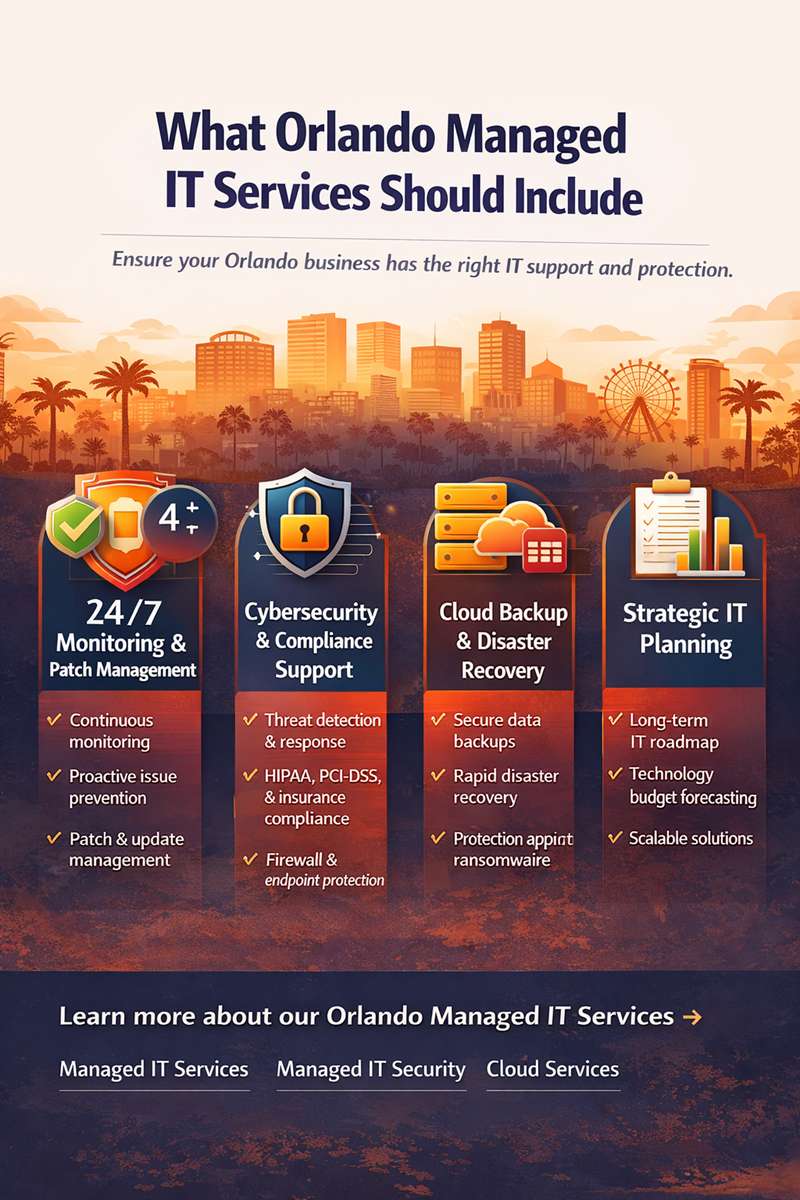
Threat detection and incident response isn’t a single tool or checkbox — it’s a coordinated set of capabilities that work together to identify, validate, contain, and resolve cyber threats before they become business‑disrupting incidents. Kelley IT Support (KIT) delivers a comprehensive suite of services tailored to Sanford small and mid‑sized businesses, built on proven frameworks and industry standards.



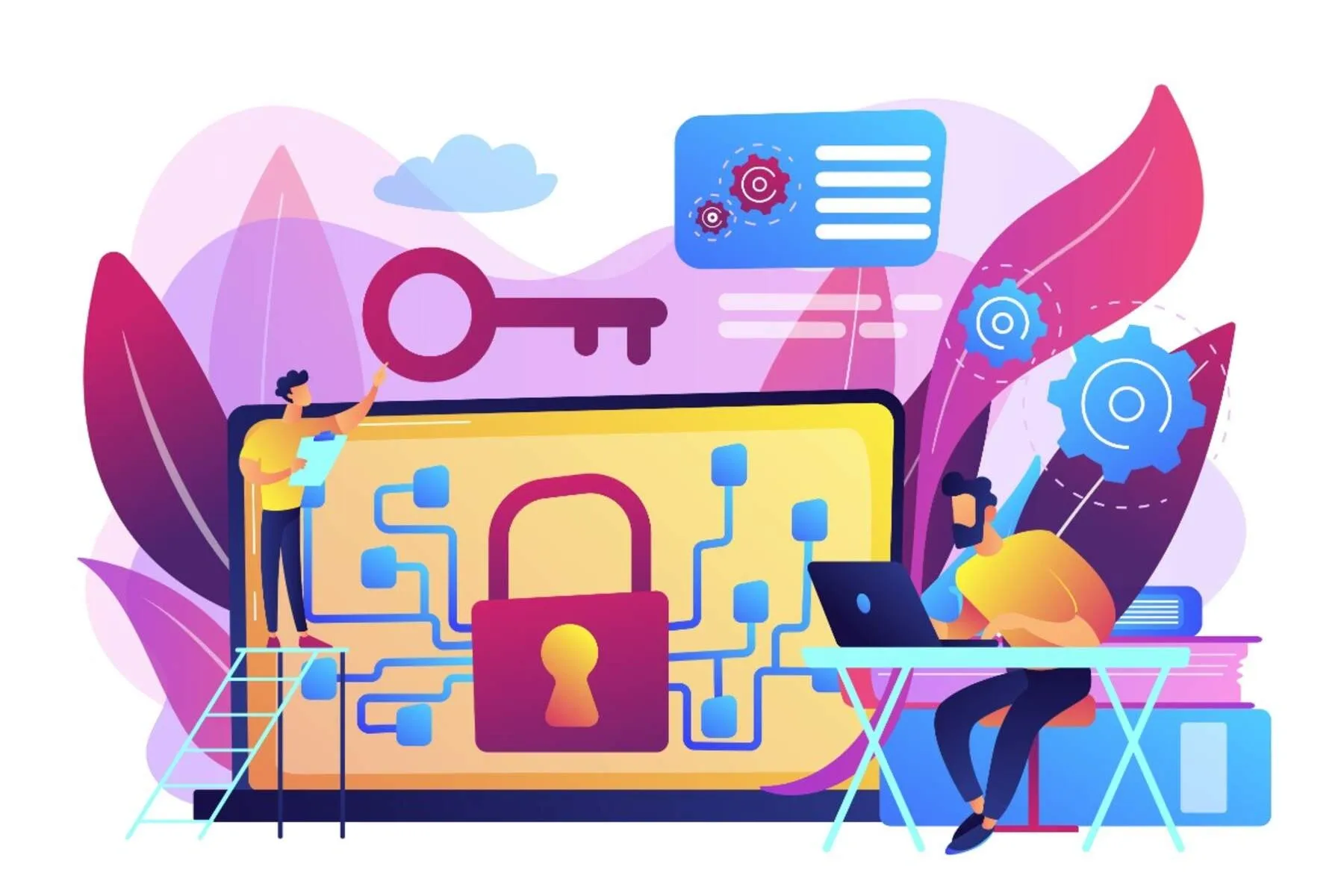
Core Components of Threat Detection & Incident Response from KIT
Threat detection and incident response isn’t a single tool or checkbox — it’s a coordinated set of capabilities that work together to identify, validate, contain, and resolve cyber threats before they become business‑disrupting incidents. Kelley IT Support (KIT) delivers a comprehensive suite of services tailored to Sanford small and mid‑sized businesses, built on proven frameworks and industry standards.
KIT’s Proven Incident Response FrameworkContinuous Monitoring & Real‑Time Detection
KIT implements around‑the‑clock monitoring that continuously watches your systems, network traffic, and user activity for signs of abnormal behavior. This aligns with the Detect function in the NIST Cybersecurity Framework, which emphasizes timely discovery of cybersecurity events to enable an effective response.
Secure Your Business With KIT DetectionIntegrated Threat Intelligence
Proactive threat intelligence feeds provide context to alerts, helping us distinguish real threats from false positives and improving detection accuracy. This includes data on known attack patterns, indicators of compromise (IOCs), and adversary tactics — a key component of effective threat detection and response.
Threat Detection & Response ServicesIncident Validation & Triage
When an alert is generated, KIT’s security team quickly validates it, assesses its scope, and prioritizes response actions. This process ensures that stakeholders are informed early and that resources are focused where they matter most.
Advanced Security Monitoring ToolsRapid Containment & Response
Once a confirmed threat is identified, KIT initiates containment measures to prevent lateral movement, isolate affected systems, and stop ongoing damage. We then follow structured response playbooks to eradicate the threat, based on widely accepted incident response methodologies.
Cyber Incident Response for SMBsRoot Cause Analysis & Resolution
After containment, KIT conducts a thorough investigation to determine how the incident occurred, what systems were affected, and what changes are needed to prevent recurrence. This step supports internal improvement and strengthens your security posture over time.
Real‑Time Threat IntelligencePost‑Incident Reporting & Improvement
KIT produces clear, business‑focused incident reports that summarize the event, actions taken, and recommended next steps. We then refine detection rules, response playbooks, and security controls based on lessons learned — an essential element of continuous improvement in the NIST Respond and Recover functions.
Rapid Response to Cyber AttacksCommunication with Key Stakeholders
Effective response includes timely communication with executives, IT teams, third‑party providers, and (when appropriate) legal or regulatory partners. KIT ensures clarity and accountability throughout the incident lifecycle.
Why These Components Matter
Threats don’t wait for business hours, and cyber attackers target gaps in visibility and coordination. By combining monitoring, intelligence, structured response planning, and continuous improvement, KIT helps Sanford businesses turn uncertainty into controlled, predictable incident handling — minimizing downtime, limiting financial impact, and protecting customer trust.
Detect Threats NowDon’t Wait Until a Cyber Incident Disrupts Your Business
Proactive threat detection and a tested incident response plan can mean the difference between a minor security event and weeks of downtime.
Get My Incident Readiness AssessmentStrategic Threat Detection & Incident Response Supports Sanford Industries
Threat detection and incident response isn’t just “IT security” — it’s a business resilience strategy that helps organizations identify emerging threats early and contain security incidents before they escalate into costly breaches, operational disruptions, or regulatory exposure. According to updated guidance from the National Institute of Standards and Technology (NIST), incident response planning and sustained detection capabilities are foundational to reducing both the frequency and impact of cybersecurity incidents.
KIT Support’s Threat Detection & Incident Response services help Sanford businesses build proactive defenses, validate detected anomalies, and execute well‑structured response actions tailored to their industry’s risk profile — protecting revenue, reputation, and trusted client relationships.
Respond FasterThreat Detection & Incident Response for Legal Practices
Law firms and legal practices handle confidential client information, privileged communications, and sensitive case data. A delayed or missed detection can expose privileged information and lead to malpractice exposure or regulatory scrutiny. With guidance from the Cybersecurity & Infrastructure Security Agency (CISA) on incident detection and response best practices, Kelley IT Support helps legal organizations detect threats early, contain malicious activity, and coordinate response steps that preserve evidence and comply with legal requirements — reducing risk in high‑stakes environments.
Our work supporting law firms with specialized IT and cybersecurity requirements focuses on access controls, encryption, secure document handling, and audit trails that protect confidentiality without disrupting legal workflows.
Secure My NetworkThreat Detection & Incident Response for Creative Agencies
Creative agencies and studios rely on collaborative platforms, intellectual property, and digital asset workflows that are often targeted by ransomware, credential harvesting, and content disruption attacks. Early threat detection enables creative teams to isolate compromised assets before a wider incident unfolds. Our incident response plans incorporate playbooks aligned with NIST SP 800‑61 Rev. 3, ensuring that malicious activity is evaluated, escalated, and remediated in line with national cybersecurity standards.
We design security strategies tailored to creative agency workflows that protect cloud platforms and endpoints while preserving the speed and flexibility creative teams depend on.
Stop AttacksThreat Detection & Incident Response for Non-Profits
Non‑profit organizations may not always have dedicated security teams, but they nonetheless collect sensitive donor information, grant data, and mission‑critical records. Threat actors increasingly target under‑protected organizations, making proactive detection and response essential to maintaining stakeholder trust. CISA emphasizes that threat detection and response strategies — including logging, alert validation, and playbook‑based response handling — help organizations of all sizes and sectors reduce incident impact and improve recovery outcomes.
Our experience delivering non-profit-focused IT and Threat Detection & Incident Response solutions prioritizes network segmentation, monitoring, and rapid containment to protect guest trust and business continuity.
Strengthen MonitoringThreat Detection & Incident Response for Real-Estate
Real estate firms manage financial records, personal client data, contracts, and valuation systems that adversaries seek to exploit for fraud or disruption. Without threat detection, malicious activity can go unnoticed until after sensitive data is exfiltrated or systems are locked down by ransomware. KIT Support integrates continuous monitoring and incident response coordination based on established frameworks, giving real estate teams early visibility into threats and structured response actions that align with industry expectations.
We implement Threat Detection & Incident Response controls that support compliance, protect patient information, and ensure system availability for Sanford Real-Estate without interfering with closing.
Cyber Incident Response for SMBsBusiness Outcomes With Threat Detection & Incident Response Services in Action
For Sanford small and mid-sized businesses, Threat Detection and Incident Response (TDIR) Services are more than just technical safeguards — they deliver measurable business outcomes that protect revenue, reputation, and operational continuity.
Reduce Operational Downtime and Financial Loss
By detecting threats early and responding rapidly, businesses minimize system downtime and productivity loss. Organizations with structured incident response plans can contain and resolve attacks faster, reducing financial impact and maintaining business continuity. 🔗 CISA guidance on situational awareness and response
Improve Regulatory Compliance and Insurance Position
Structured detection and response align your business with cybersecurity frameworks and regulatory requirements, including reporting practices expected by many industries. Demonstrating documented response readiness strengthens compliance posture and supports insurance requirements. 🔗 CISA situational awareness and incident response
Lower Total Cost of Cyber Risk
SMBs often lack the resources to maintain specialized security teams internally. Kelley IT Support’s TDIR services deliver expert monitoring and response without the expense of hiring full-time staff, helping businesses manage cyber risk efficiently. 🔗 Benefits of MDR for small and medium businesses
Enhance Decision-Making During Incidents
With documented incident response procedures and expert guidance, business leaders can make informed decisions quickly, reducing costly mistakes and keeping recovery aligned with operational priorities. 🔗 Incident response explained: key benefits for business
Build Long-Term Security Maturity
Insights gained from threat detection and incident response strengthen overall security posture. Lessons learned from investigations help close gaps, refine policies, and reduce future exposure, turning cybersecurity from a reactive expense into a strategic advantage. 🔗 Importance of incident response for long-term security
Real-World KIT Implemented Threat Detection & Incident Response Services
Kelley Information Technology has implemented cybersecurity and IT solutions for organizations across Central Florida. These engagements demonstrate how security must adapt to industry-specific workflows while maintaining consistent protection standards.
- LAW FIRMS
CREATIVE AGENCIES
REAL-ESTATE
Why Sanford Businesses Choose Kelley Information Technology
Kelley Information Technology specializes in Threat Detection & Incident Response solutions designed specifically for small and mid-sized businesses in Central Florida. We understand the operational realities, budget constraints, and risk profiles SMBs face every day. Our threat detection and incident response services are built on proven frameworks, real-world experience, and guidance from organizations like NIST and CISA. We don’t just respond to incidents—we help Sanford businesses prepare, reduce risk proactively, and recover with confidence.
Strengthen Your Threat Detection